
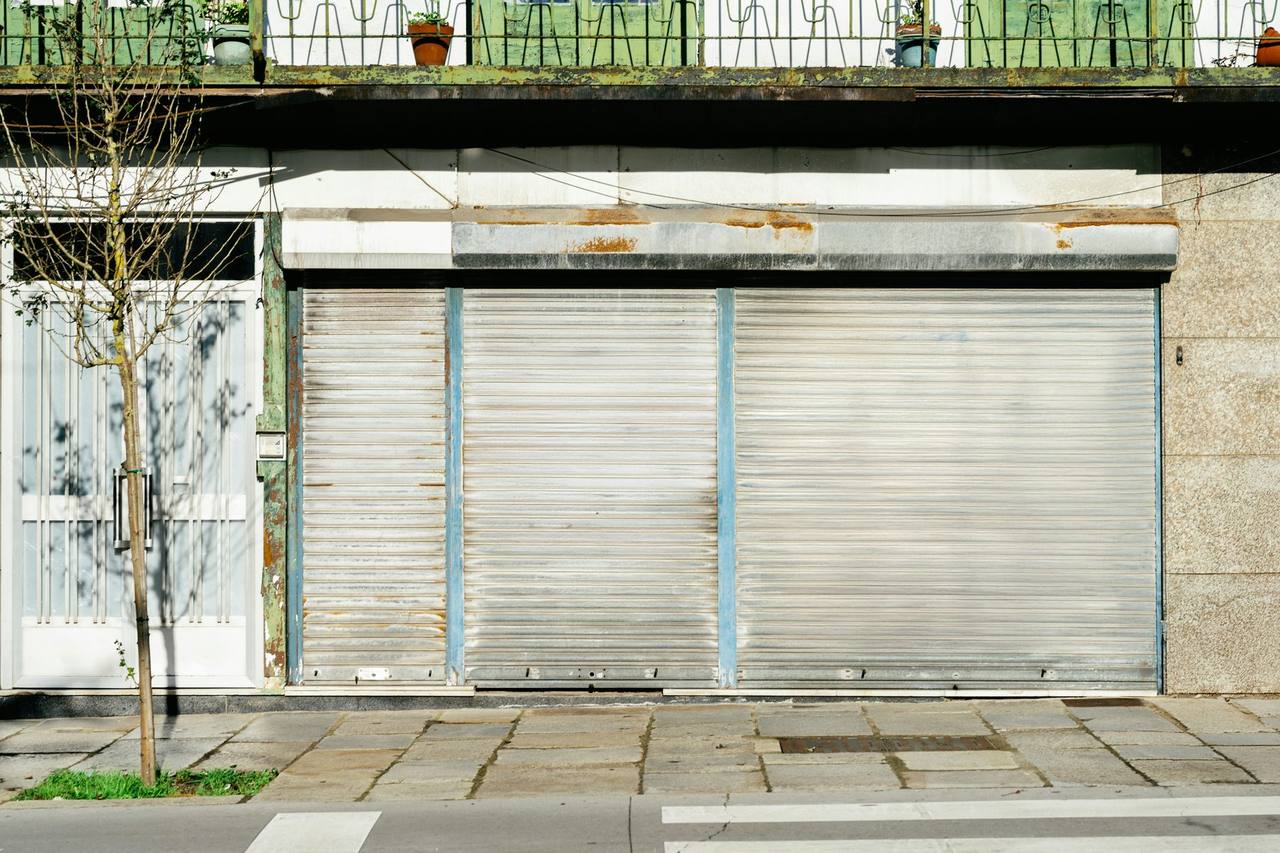
The number of betting shops in Great Britain fell by 208, or 3.6%, to 5,617 in the year to March 2026, the 12th consecutive reporting period of decline, according to the Gambling Commission’s annual industry statistics, published on 17 September 2026. Gross gambling yield (GGY, the amount operators keep after paying out winnings) in non-remote betting fell 3.3% to £2.4bn. The British Horseracing Authority (BHA), citing the same statistics, puts horse racing turnover in shops at £2.9bn in 2025-26.
The annual report covers April 2025 to March 2026 and compares it with April 2024 to March 2025. Across all sectors, the Commission estimates that the gambling industry in Great Britain generated £17.5bn in GGY including all reported lotteries, up 4.4%, or £13.2bn excluding them, up 4.7%. The remote casino, betting and bingo sector produced £8.3bn, up 6.9%, while the land-based sectors (arcades, betting, bingo and casino) produced £4.9bn, up 1.1%. Licensed gambling premises of all kinds fell 2.0% to 8,081. The Commission notes that its premises register still includes some inactive premises, so counts from different sources can differ.
What the racing lines say
Online, GGY from remote betting totalled £2.4bn, led by football at £1.2bn and horse racing at £769.3m, according to the Commission’s report page. In shops, machines GGY fell 0.9% to £1.2bn and accounted for 49.4% of non-remote betting GGY. The Commission’s report page and news release do not break shop betting down by sport, so the £2.9bn figure for racing is as cited by the BHA, which does not give a comparison with 2024-25.
In its October corporate affairs update, the BHA says betting shop numbers are largely on a downward trend, reflecting changes in customer behaviour, and that this has reduced racing’s shop turnover over time. It argues that shop betting is still a sizeable market, “largely catering for a significant community of older racing supporters”.
Why the shop figures matter before the Budget
The statistics have become part of the argument over Machine Games Duty. The same update, dated 2 October 2026, describes a summer report by the Social Market Foundation, a think tank, proposing that the standard rate of the duty on Category B machines, including those in high-street betting shops, be doubled from 20% to 40%. According to the BHA, the report claimed this would raise between £275m and £458m in extra revenue for the Treasury but did not assess the second-order effects on racing.
The update also cites modelling published that day by Regulus Partners, which projects that a 40% rate would close 4,050 shops, about 75% of the remaining estate, cost about 28,000 jobs in the betting sector, and reduce racing’s levy income by £24m and its media rights income by £68m, leaving racing £92m a year worse off. If 75% of shops closed, the BHA says, the modelling shows the policy would deliver 32% less revenue for the Treasury, not more. The BHA statement on the modelling describes the £92m as a third of racing’s income from betting and does not say who commissioned the work. The BHA also warns that such falls in revenue would lead to cuts in prize money. The Budget is due on 28 October 2026.
Equanine’s reading
- Twelve straight periods of falling shop numbers point to a structural decline that predates any tax decision. With racing still taking £2.9bn of shop turnover on the BHA’s figures, that contraction matters to the sport whatever the Budget brings.
- The industry’s growth is coming from remote gambling, up 6.9%, while non-remote betting fell 3.3%. Online, football rather than racing leads betting GGY, so income tied to racing’s shop turnover is unlikely to rise on these trends.
- The £92m figure is a projection from modelling whose commissioning is not disclosed, as summarised by the BHA. Racecourses and owners should read it as the sport’s case before the Budget rather than a forecast.