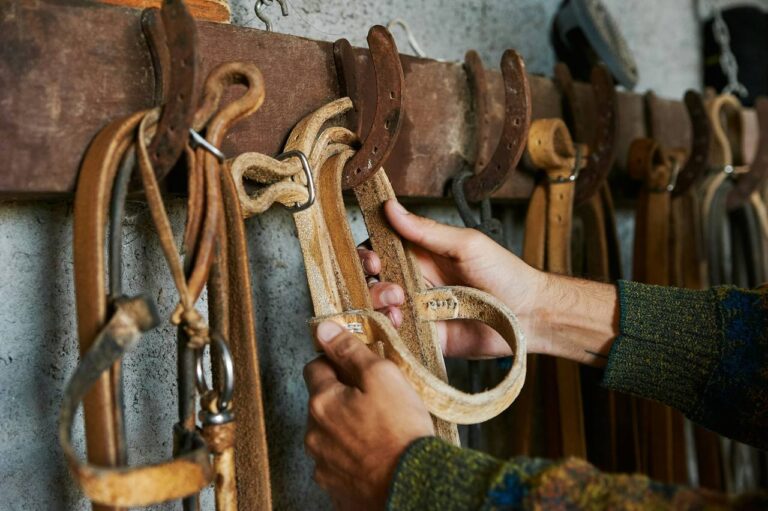

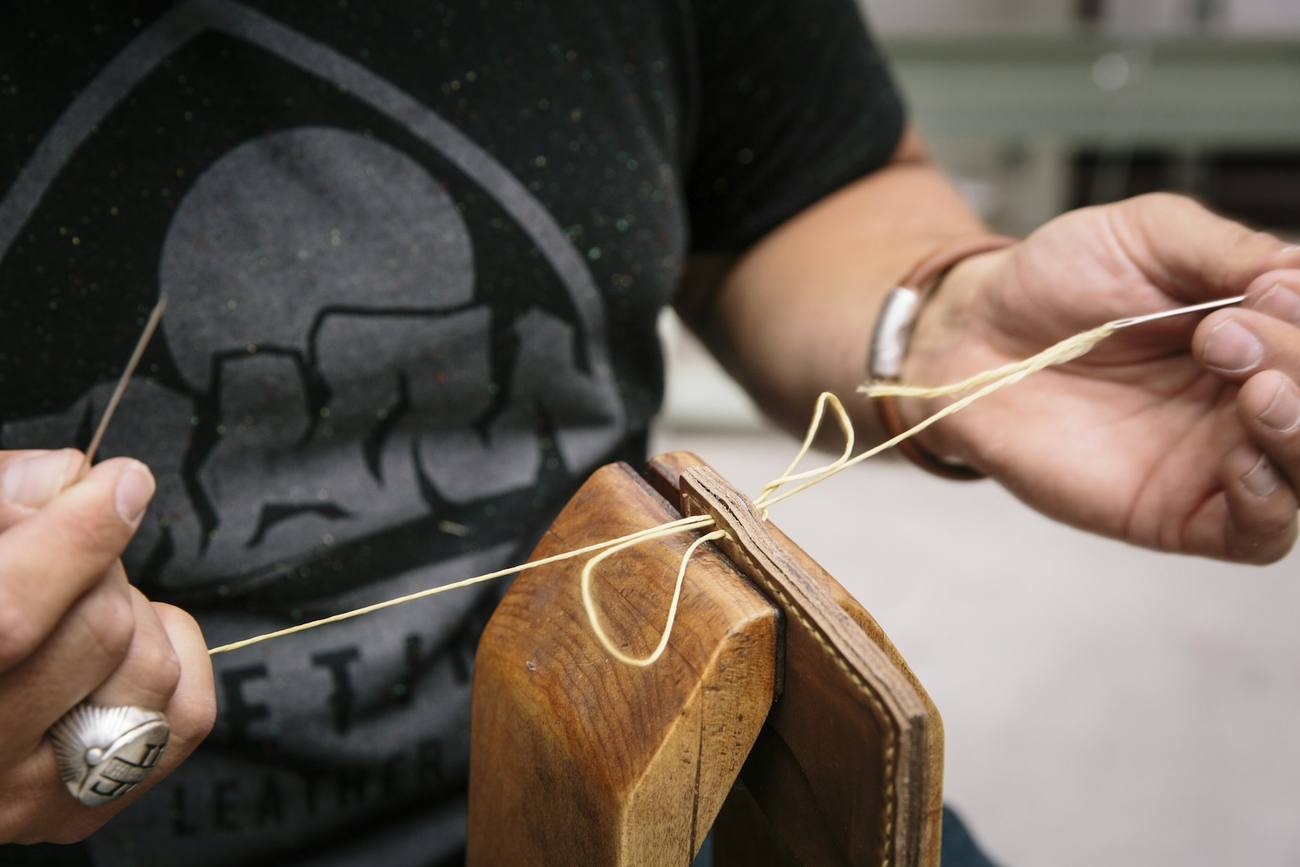
BETA, the British Equestrian Trade Association, represents equestrian manufacturing, wholesale and retail, says it has more than 800 member companies and provides a member directory. Albion Saddlemakers’ published saddle range separates dressage, jumping and general-purpose products, with routes to saddle trials, warranty information and stockist enquiries; the company says its saddles are designed and handmade in England. These sources show that a buying decision covers both product choice and support. Equanine’s notebook is an independent procurement framework, not a product test, fitting instruction or statement of any supplier’s terms.
Write the intended use first
Begin with the activity, the customer or user and the setting in which the product will be used. Identify the information that requires a qualified specialist, including fit where relevant. A professional purchasing brief should make those responsibilities explicit instead of allowing colour, finish or price to settle questions of suitability.
Describe the requested range in a consistent format. Include product type, relevant dimensions, materials, permitted variations and the documentation needed to support claims. Separate essential requirements from preferences. This makes responses easier to compare and gives the supplier a clear opportunity to explain a limitation or suggest an alternative before production or purchase.
Give the sample a defined purpose
A sample can help confirm appearance, construction details and agreement with a written specification. It should be assessed for a stated purpose by the appropriate people. Record which version was reviewed and what was accepted or left unresolved. Do not treat a visual inspection as a substitute for specialist assessment or evidence supporting a performance claim.
- Reference the written specification when recording feedback.
- Identify any changes required before an order is confirmed.
- Ask how the supplier communicates changes to materials or components.
- Agree how discrepancies in delivered goods are reported and addressed.
Include support in the comparison
Ask who answers product questions after delivery. Establish the available care information, warranty process, repair route and any relevant replacement arrangements. A retailer also needs to know how to pass a customer’s enquiry to the right person. Obtain the supplier’s actual terms rather than assuming that two similar-looking products carry the same support.
For cross-market sourcing, distinguish the maker, exporter, importer, distributor and retailer involved in the proposed transaction. Identify who owns each responsibility and obtain appropriate advice on destination-specific requirements. The existence of a company in a trade directory is a discovery aid; it does not establish that a particular product or transaction meets every requirement.
Keep a decision record
Save the specification, supplier response, sample feedback and agreed support information with the order. Write a short explanation of why the product was selected and which points still need checking before acceptance. This makes the decision easier to review when staff change or a repeat order is considered. Good procurement preserves the detail behind the finished object as carefully as its outward appearance.