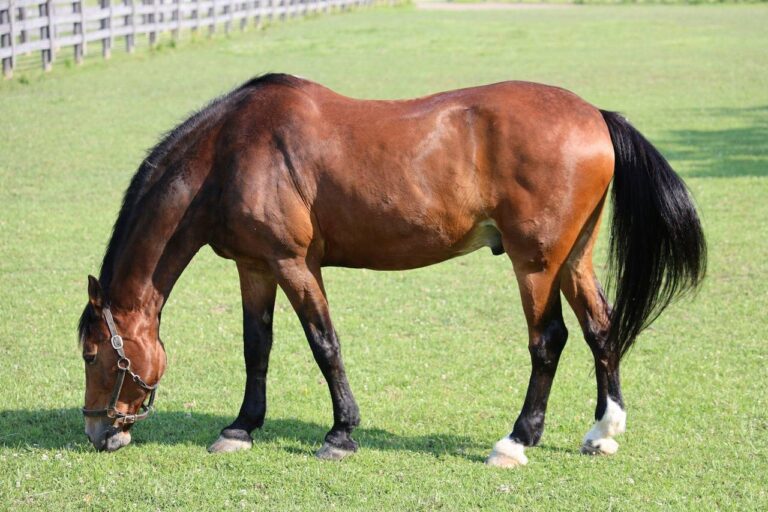

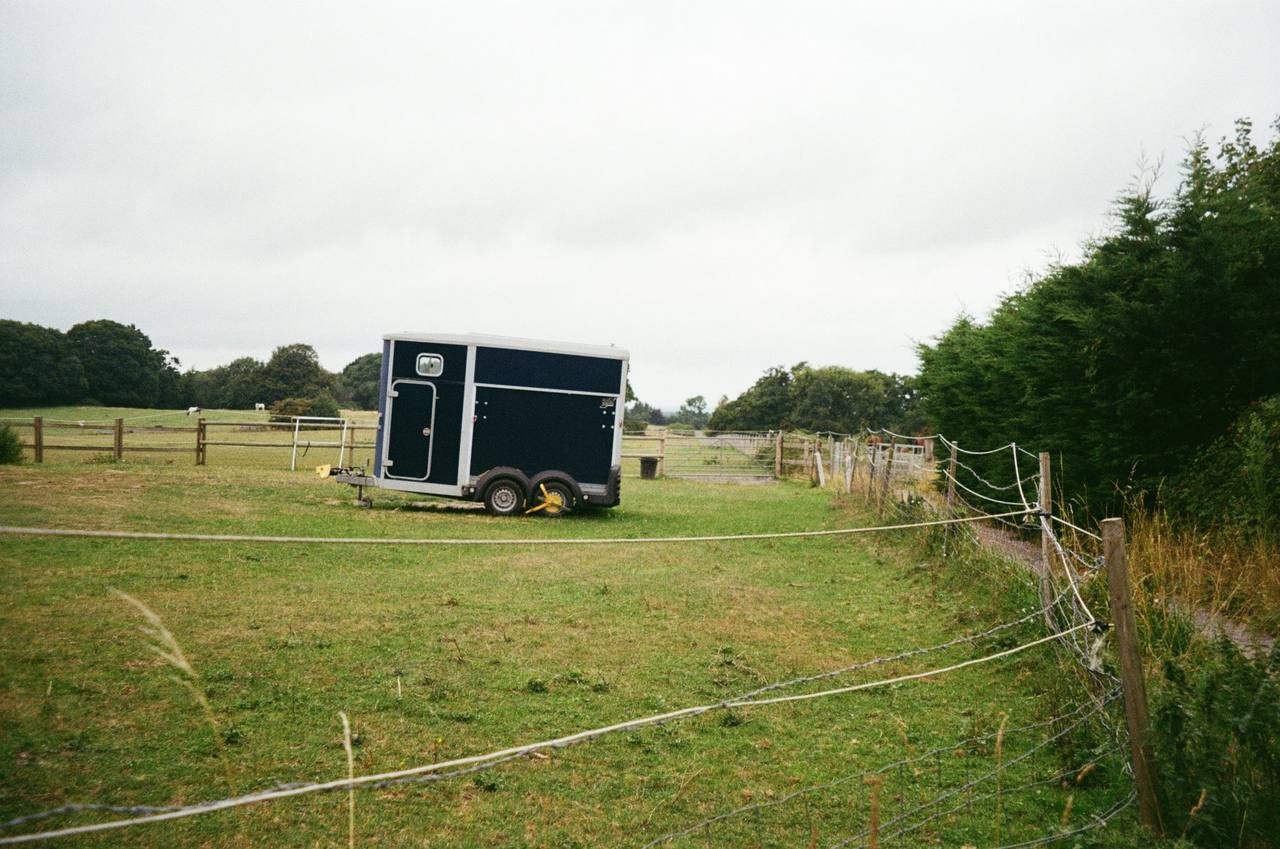
Peden Bloodstock describes flying horses as its core business and says it integrates all modes of transport for stable-to-stable movement, including making sure a horse complies with the health and customs regulations of the departure and destination countries. The company lists offices in Hartley Wintney, Hampshire, and Rheurdt, Germany. That service description puts the flight inside a wider journey. Equanine’s planning framework below concerns how to prepare a commercial enquiry; it does not specify country rules, certify an animal’s fitness to travel or review a shipment.
Describe the whole movement
Begin with the actual point of collection and intended place of arrival, not just two airports. Identify the people responsible at each end and the reason for the movement. Explain the desired timing, any fixed event or receiving arrangements, and which parts of the plan are flexible. A provider can then identify the questions that need resolution before a route or quotation is treated as firm.
Keep animal information with the relevant documents and professional contacts. Ask the transport specialist which details it needs and which must come from an authority or appropriately qualified veterinary professional. Avoid making a booking decision on assumptions carried over from a previous journey; a different destination or circumstance can require a fresh assessment.
Clarify the scope of the quotation
- Collection and delivery: establish which road movements and handovers are included.
- Coordination: identify who organises each step and who supplies the information needed for it.
- Timing: distinguish requested dates from confirmed arrangements and explain dependencies.
- Changes: ask how a delay, revised route or incomplete preparation affects the plan and charges.
These questions are intended for any provider. They do not imply a particular Peden package or contractual term. Request a written scope with named contacts, inclusions and exclusions. If several suppliers are involved, confirm which organisation is responsible for coordinating the overall movement rather than assuming each knows what the others have arranged.
Plan the handovers
The receiving team needs enough information to prepare for arrival and respond if timing changes. The sending team needs a clear collection arrangement and a route for last-minute questions. Nominate a person who can make decisions within the agreed scope, and ensure the relevant contacts know how to reach that person during the movement.
Discuss contingency arrangements before they are needed. Ask how updates are communicated, how a proposed change is approved and which professional decides whether the animal can proceed. Keep operational coordination separate from clinical judgement and official authorisation. Each has a different source of responsibility.
After completion, retain the final itinerary, commercial documents and any issues that require follow-up. A short review can improve the next enquiry by identifying unclear instructions or missing information. The useful planning unit is the complete movement: a series of connected responsibilities that begins at one stable and ends at another.